

How Long Does No-Dig Home Elevator Installation Take and What Are the Essentials?

No-dig home elevator installation is ideal when you want to add a home lift without excavation or major structural changes. It is a practical solution for homes with limited space or properties where digging is not feasible.
No-dig home elevator installation also helps reduce disruption inside the house while keeping safety and performance requirements on track.
In this article, you will learn the typical installation timeline, the essential requirements, and how to speed up the process safely.
Details and Factors for No-Dig Home Elevator Installation
No-dig home elevator installation works best when the site conditions support fast, clean fitting without deep civil works. The factors below directly affect planning, engineering, and the final schedule:
-
Available space inside the home.
-
Type of elevator used.
-
Floor condition and interior structure.
-
Materials and technologies used in the elevator.
-
Number of floors the elevator will serve.
-
Safety and compliance requirements.
-
Budget allocated for the elevator.
-
Time window available for installation.
Read also: Elevator Sizes: How to Determine the Right Elevator Dimensions?
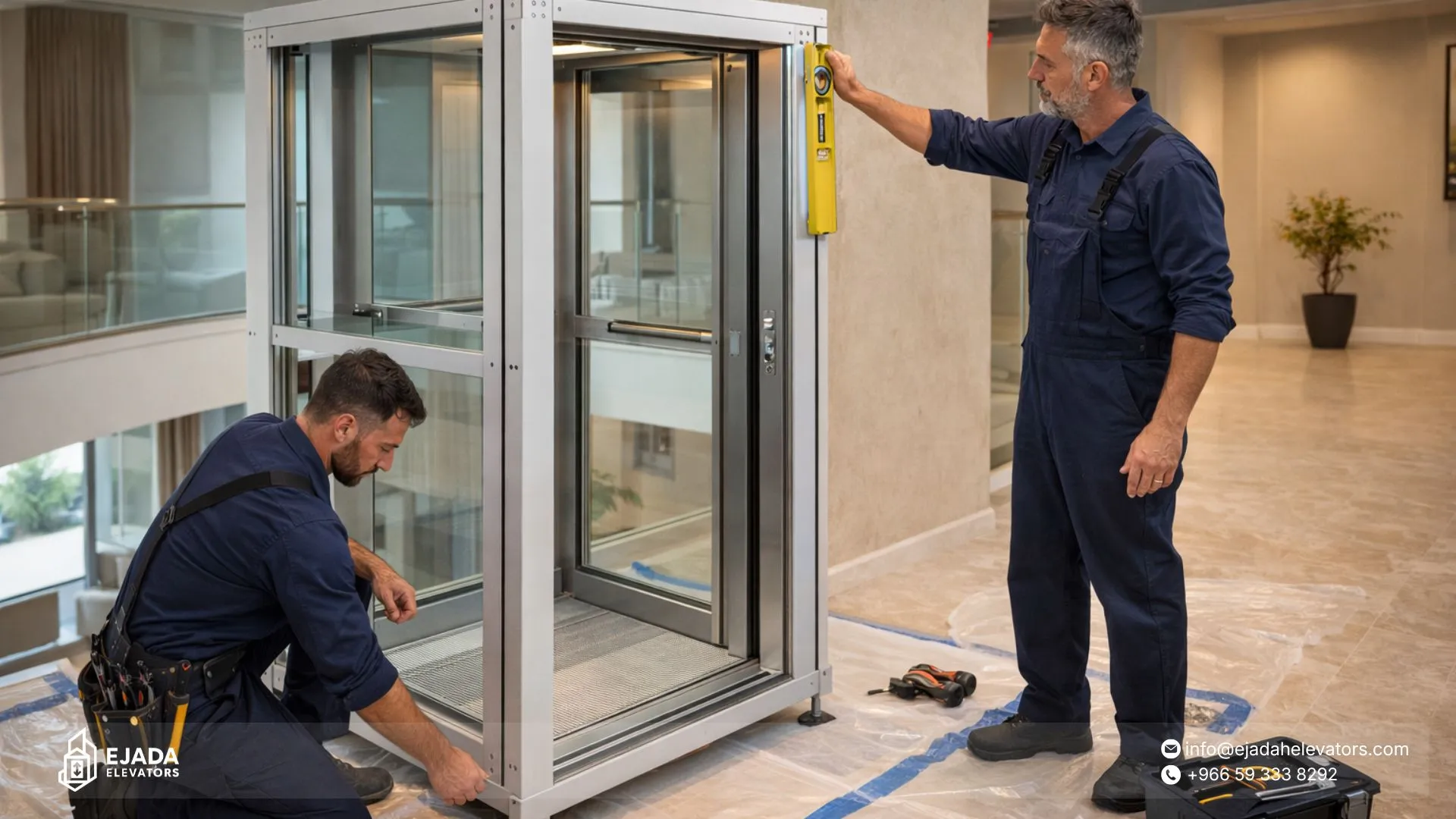
Requirements for Installing Home Elevators
Installing home elevators requires meeting practical and technical conditions to ensure safe use and compliance. Review these essentials early to avoid delays during approvals and commissioning:
-
Required permits from relevant authorities.
-
Approval from an engineering office or licensed engineer.
-
Compliance with technical standards for residential elevator retrofit.
-
Verification that the available space is suitable for installation.
-
Confirming electrical connections and compatible systems.
-
Environmental and safety specifications are met.
-
Post-installation inspection by specialists.
-
Availability of spare parts and future maintenance planning.
Read also: Importance of 24/7 Elevator Emergency Service and When You Need It?
How Long Does Home Elevator Installation Take From Contract to Final Operation?
No-dig home elevator installation from contract signing to final operation typically takes 4 to 6 weeks. This includes installing the supporting structure, completing electrical works, and performing testing and safety checks.
Timelines can vary depending on elevator type, available space, and the execution team. If you want to shorten the installation timeline, confirm requirements early and align site readiness with the delivery plan for smoother commissioning.
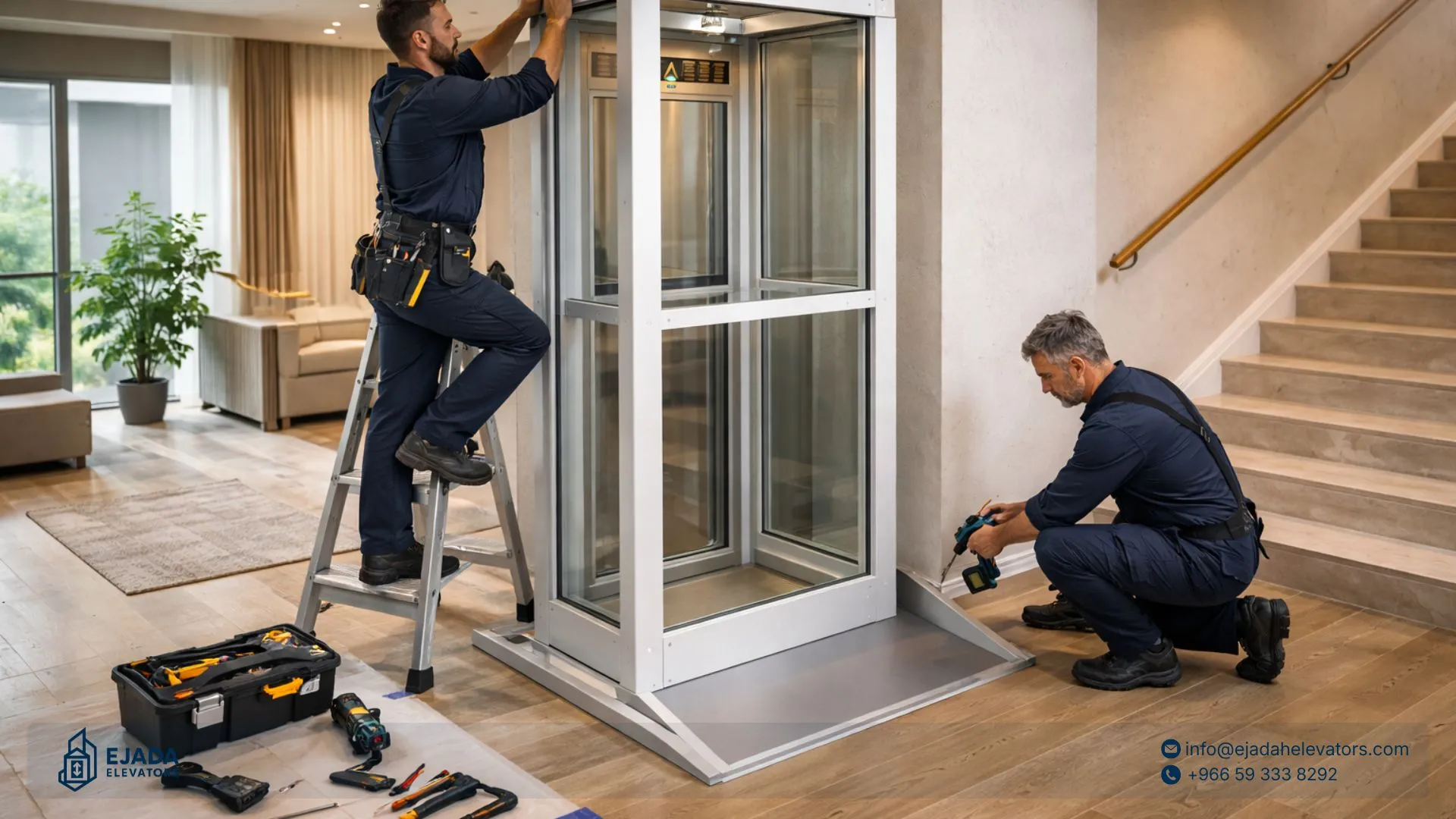
What Is the Best Home Elevator Installation Company?
Ejada Elevators is among the best options for home elevator installation, delivering engineered solutions built around quality and safety. We support projects with structured planning, clear technical recommendations, and reliable after-sales coverage.
-
No-dig home elevator installation.
-
Scheduled elevator maintenance.
-
Technical consulting before and during installation.
-
Custom elevator designs based on client needs.
-
Post-installation services with extended warranties.
-
24/7 technical support.
-
Installation for residential and luxury elevator types.
Book a Free Consultation for Home Elevators
No-dig home elevator installation becomes faster and safer when the solution is specified correctly from day one. At Ejada Elevators, our team helps you select the right elevator type, confirm site readiness, and plan installation steps with minimal disruption.
Do not miss the opportunity to get a free consultation and identify the best available options for your home.
FAQ About the Time Needed for No-Dig Home Elevator Installation
1- How long does elevator installation take?
Home elevator installation usually takes 4 to 6 weeks, depending on elevator type and required specifications.
2- How long does installation take per floor?
Installation typically takes 1 to 2 days per floor, depending on system complexity and the number of served levels.
3- What are the steps for installing a home elevator?
Steps include space assessment, installing the supporting frame and columns, electrical system setup, elevator installation, then operational testing.
4- What are the conditions for installing an elevator?
Requirements include permits, suitable space verification, and safe, compliant electrical provisions for the elevator system.
5- What are the elevator installation steps?
Planning and location selection come first, followed by civil preparation, main structure installation, cabin and components fitting, and final inspection.
6- What documents are required to install elevators?
Common documents include building permits, engineering approvals, quality compliance documents, and the elevator technical specifications.
No-dig home elevator installation is the most efficient path when you want a cleaner residential elevator retrofit with controlled timelines and safer commissioning.
Ready to speed up your project with the right requirements and planning? Contact Ejada Elevators today and request a site assessment.