
Elevator Safety: Key Periodic Inspection Points to Protect Users & Facility
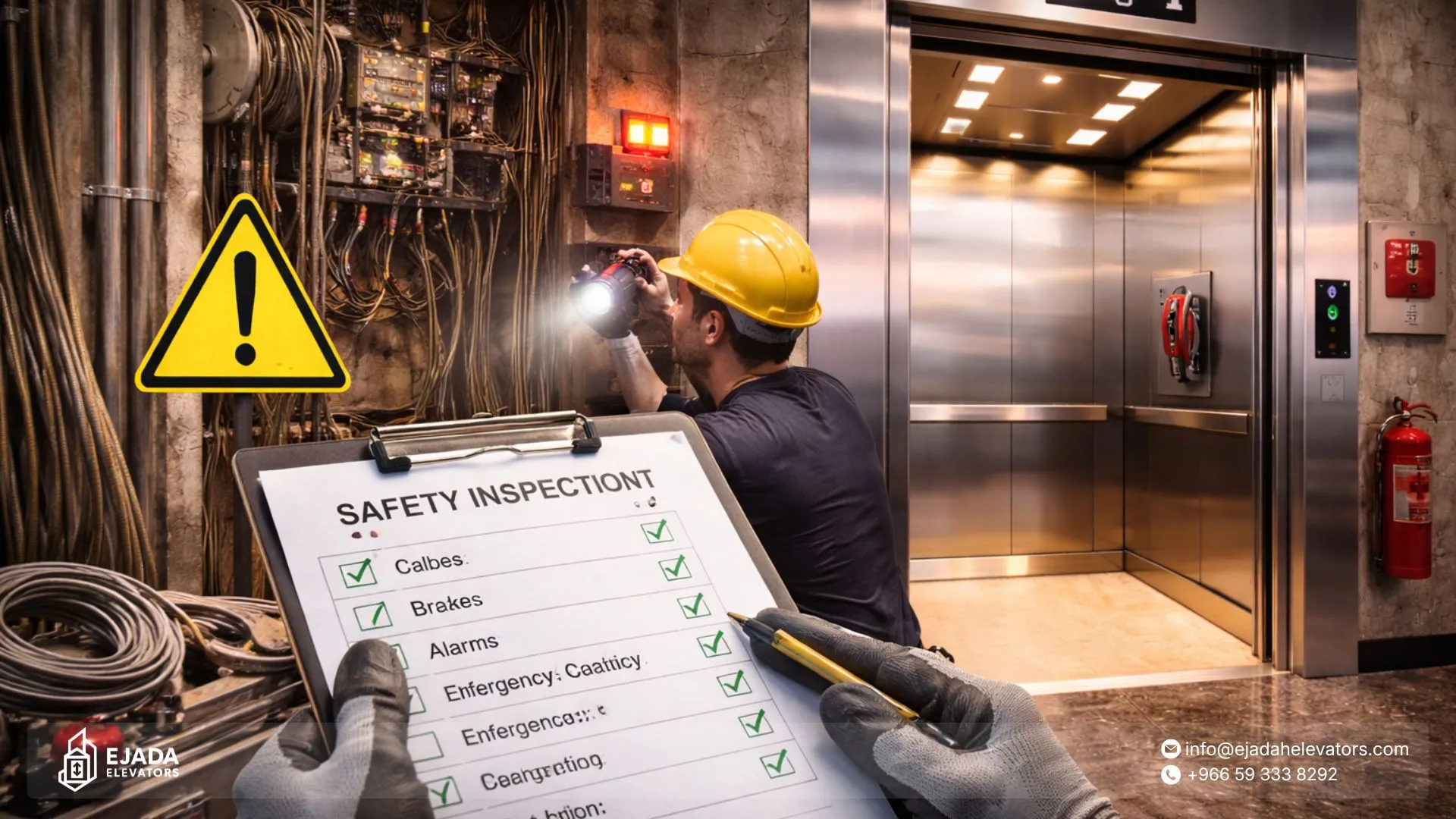
Elevator safety inspection is one of the most critical steps for protecting passengers and keeping your building operations stable. Older or damaged elevators can become a serious risk if they are not inspected and maintained on a consistent schedule.
In this article, we will walk through the most important periodic elevator inspection points and how to keep your system safe for optimal performance across residential and commercial facilities in Saudi Arabia. Keep reading to understand the practical benefits of routine checks for users, assets, and long-term reliability.
Essential Periodic Elevator Inspection Points
Elevators require periodic inspections to confirm safe and efficient performance. Below are the most important inspection checkpoints:
-
Inspect the motor and drive/operating system.
-
Test safety devices and emergency systems.
-
Inspect ropes, sheaves, and gear components.
-
Verify responsiveness of buttons and control panels.
-
Inspect elevator doors and door operators.
-
Monitor oil levels and lubrication condition.
-
Test interior lighting and emergency lighting.
-
Confirm ventilation performance inside the car.
Benefits of Periodic Elevator Maintenance for Users and Facilities
Elevator safety inspection is not a routine checkbox, it is a risk-control practice that supports safety, quality, and uptime. When you follow a structured lift safety checklist, you reduce surprises and gain better control over lifecycle costs.
-
Safety assurance: Routine checks help detect faults before they become hazards, protecting passengers and reducing incident risk.
-
Fewer breakdowns: Regular inspections reduce sudden stoppages and recurring faults, supporting smoother daily operations.
-
Higher efficiency: Better tuning and healthier components improve performance and can reduce energy waste in busy buildings.
-
Longer service life: Preventive care helps extend elevator lifespan and reduces the need for premature replacement or major repairs.
-
Elevator compliance readiness: Consistent checks support alignment with common safety expectations and facility requirements in Saudi Arabia.
Read also: The Best Hotel Elevators in Saudi Arabia: Types, Costs, and Features
What Are Elevator Safety Requirements?
Elevator safety requirements are essential for protecting users and preventing avoidable incidents. A professional elevator inspection company in Saudi projects will typically verify the following:
-
Emergency safety systems: Alarm devices and direct emergency communication for quick assistance.
-
Door safety protection: Door edges and sensors that prevent closing while someone is in the doorway.
-
Ropes and mechanical checks: Verification of condition, strength, and readiness to carry rated loads.
-
Load sensing: Overload protection to prevent operation above the allowed capacity.
-
Lighting and ventilation: Reliable interior lighting, emergency lighting, and proper airflow for passenger comfort and safety.
-
Smart control readiness: Stable control logic for accurate stops, smooth travel, and safe dispatching.
-
Scheduled reviews: Documented periodic elevator inspection to confirm continued compliance with current safety expectations.
Read also: How Long Does No-Dig Home Elevator Installation Take and What Are the Essentials?
What Are Elevator Safety Requirements?
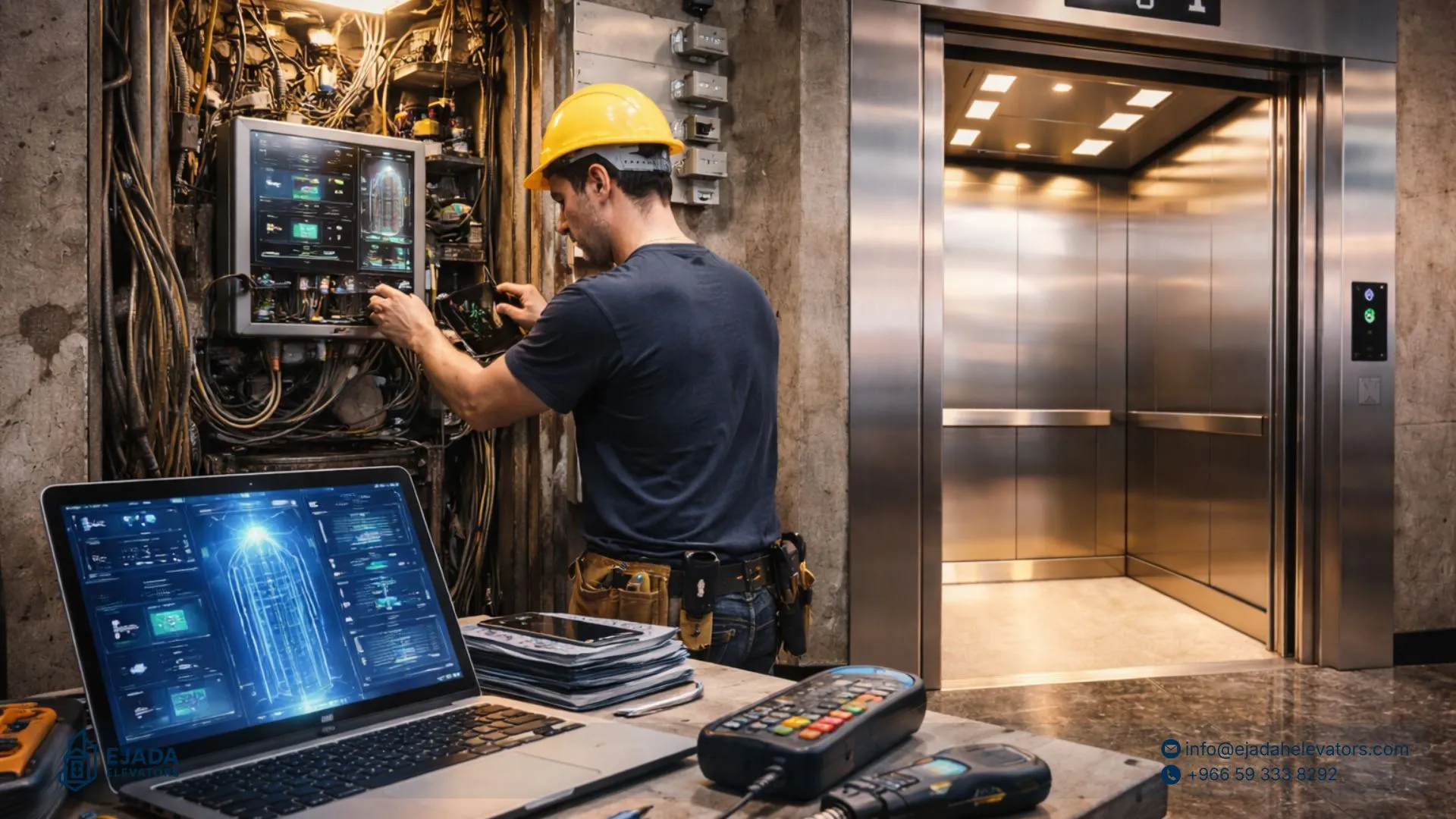
There are multiple safety factors that keep elevators secure for daily use and improve operating stability. The most important factors include:
-
Emergency alarm and call systems: Allow passengers to request help quickly during an incident or entrapment.
-
Door presence sensors: Prevent doors from closing when a person or obstacle is detected.
-
Overload protection: Stops the elevator from running when the car exceeds rated capacity.
-
Emergency stop behavior: Halts the elevator safely during sudden faults in wiring, drive, or control logic.
-
Backup braking systems: Provide safe stopping if power is lost or primary braking is compromised.
-
Emergency lighting: Maintains cabin visibility during outages to reduce passenger stress and improve safety.
-
Monitoring and preventive servicing: Ongoing elevator preventive maintenance that keeps safety systems functional and reduces repeat failures.
Read also: When to modernize instead of repair your elevator: warning signs not to ignore
Book Your Free Consultation with Ejada Elevators in Saudi Arabia
Elevator safety inspection is a top priority at Ejada Elevators. With planned commercial elevator maintenance and structured periodic inspections, we help you keep your elevators safe, reliable, and ready for daily demand.
Do not wait for a sudden shutdown to disrupt your building. Schedule your elevator maintenance in Saudi Arabia now to protect users, reduce downtime, and preserve asset value.
FAQs About Periodic Elevator Inspection
1) How often should an elevator be inspected?
An elevator should be inspected every 6 months to support safety and performance. More frequent visits may be needed for high-usage elevators in commercial towers, hotels, or public facilities.
2) What are common elevator fault codes?
Common codes often relate to controller faults, door system issues, rope/suspension alerts, or motor problems, and the meaning depends on the manufacturer. Always document the displayed code and have qualified technicians interpret it using OEM references.
3) What are the most common causes of elevator damage?
Typical causes include rope wear, motor and drive stress, door mechanism problems, skipped inspections, and excessive or improper usage patterns. Poor lubrication and unresolved minor faults can also accelerate larger failures.
4) What is the average lifespan of an elevator?
The typical elevator lifespan ranges from 15 to 20 years, depending on usage intensity, environment, and maintenance quality. Elevator modernization and consistent preventive care help maintain performance and safety over time.
Elevator safety inspection remains the most reliable way to keep your building’s mobility safe, compliant-ready, and dependable. Ready to upgrade your building’s mobility systems? Contact Ejada Elevators today.