
When to Modernize an Elevator Instead of Repairing It? Key Warning Signs
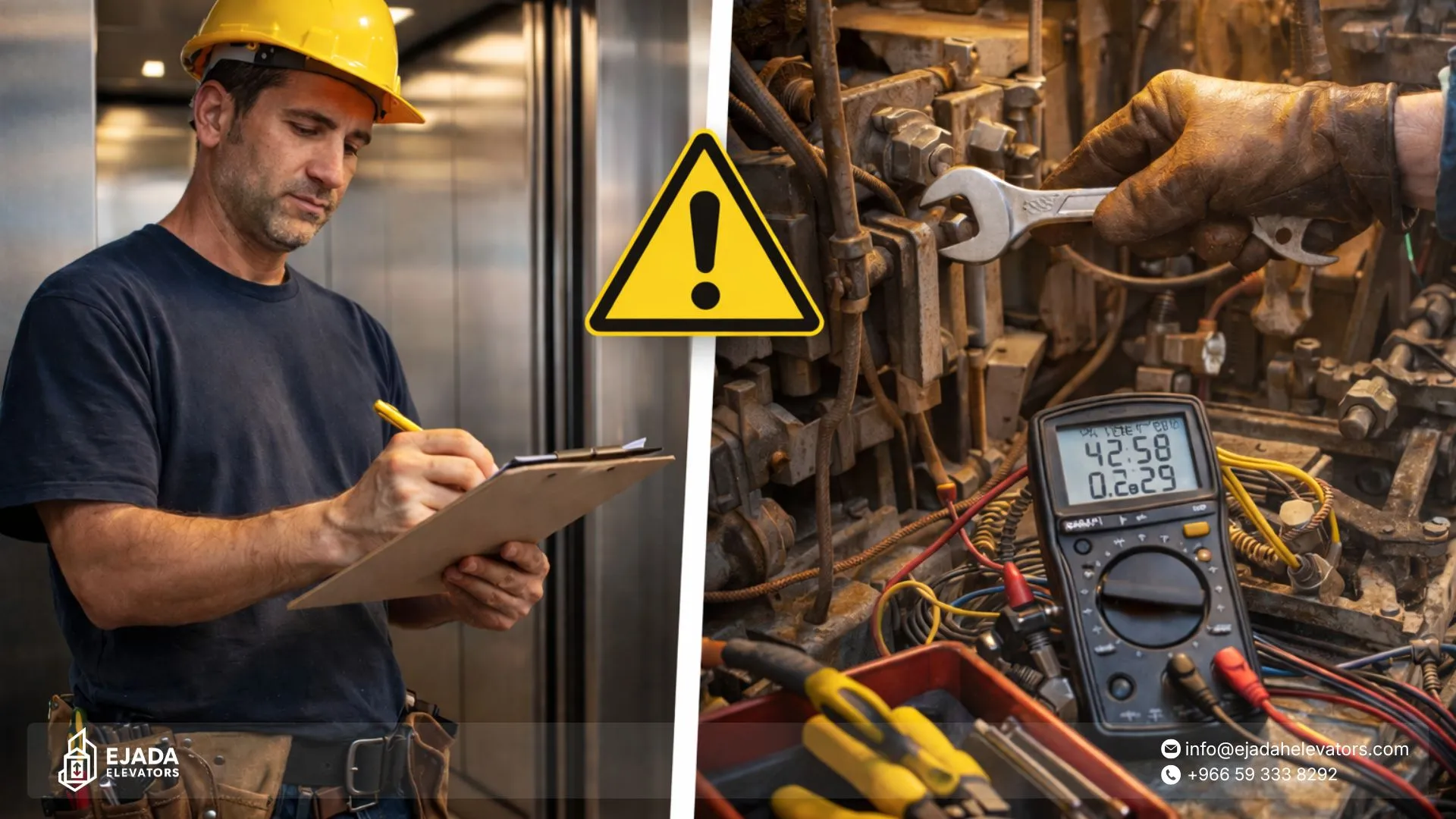
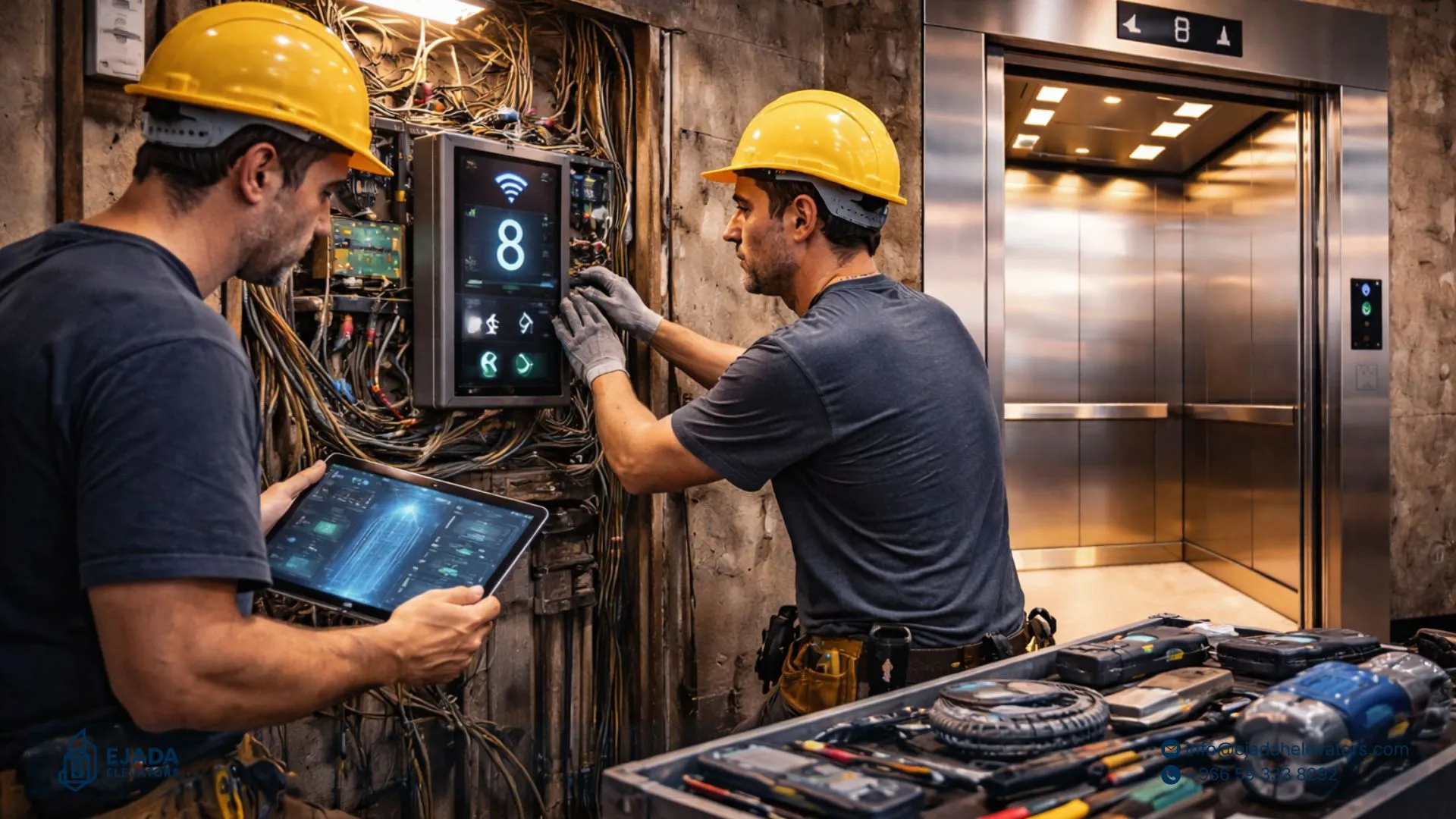
Elevator modernization becomes a practical necessity when your lift starts showing consistent decline or frequent breakdowns. As elevators age, repeat faults can disrupt daily operations and reduce user confidence, especially in busy residential and commercial buildings.
This article highlights warning signs you should not ignore, so you can decide whether elevator modernization or a full replacement is the better move for your property. Keep reading to understand when to take this step and why it matters for safety, comfort, and long-term cost control.
The Importance of Elevator Modernization: When and Why It Matters
Elevator modernization is one of the most effective ways to keep lifts safe, efficient, and aligned with current building expectations. When repairs become repetitive, modernization often delivers better value than continuing to patch aging components.
Key reasons to modernize include:
-
Improving safety performance
-
Reducing repeated breakdowns
-
Increasing energy efficiency
-
Keeping up with modern technology
-
Boosting property value
-
Enhancing user comfort
Read also: Modernizing Old Elevators in Saudi Arabia: Expected Outcomes and Cost
What Is the Elevator Modernization Process?
Elevator modernization is the structured renewal or replacement of outdated elevator components to restore reliable performance. It often includes electrical upgrades, motor improvements, and modern control technologies that deliver smoother operation and better accuracy.
Modernization also involves replacing worn or failed parts that create recurring faults, which improves safety and reduces operating costs over time. The goal is a better user experience with fewer disruptions and a clearer maintenance path.
Signs You Should Modernize Instead of Repair
Some signals indicate the elevator needs modernization rather than another cycle of repairs. The most common signs include:
-
Frequent faults and repeated service calls
-
Slow elevator movement and inconsistent leveling
-
Safety system issues or unreliable door protection
-
Sudden stops during operation
-
Rising elevator maintenance costs
-
Outdated technology and limited diagnostic capability
-
Long waiting times and poor traffic handling
Read also: Elevator Safety: Key Periodic Inspection Points to Protect Users & Facility
What Signs Show You Need to Replace the Elevator?
There are situations where full replacement is more practical than continued upgrades. These signs typically indicate the elevator has reached a stage where replacement may be the smarter decision:
-
Persistent failures that impact elevator performance and availability
-
Escalating repair costs with limited improvement after each fix
-
Long wait times caused by poor speed and aging control logic
-
Sudden shutdowns that disrupt users and building operations
-
Obsolete systems that no longer align with modern safety expectations
-
High energy use compared to newer elevator systems
-
Legacy components with spare parts that are difficult to source
Read also: The Best Hotel Elevators in Saudi Arabia: Types, Costs, and Features
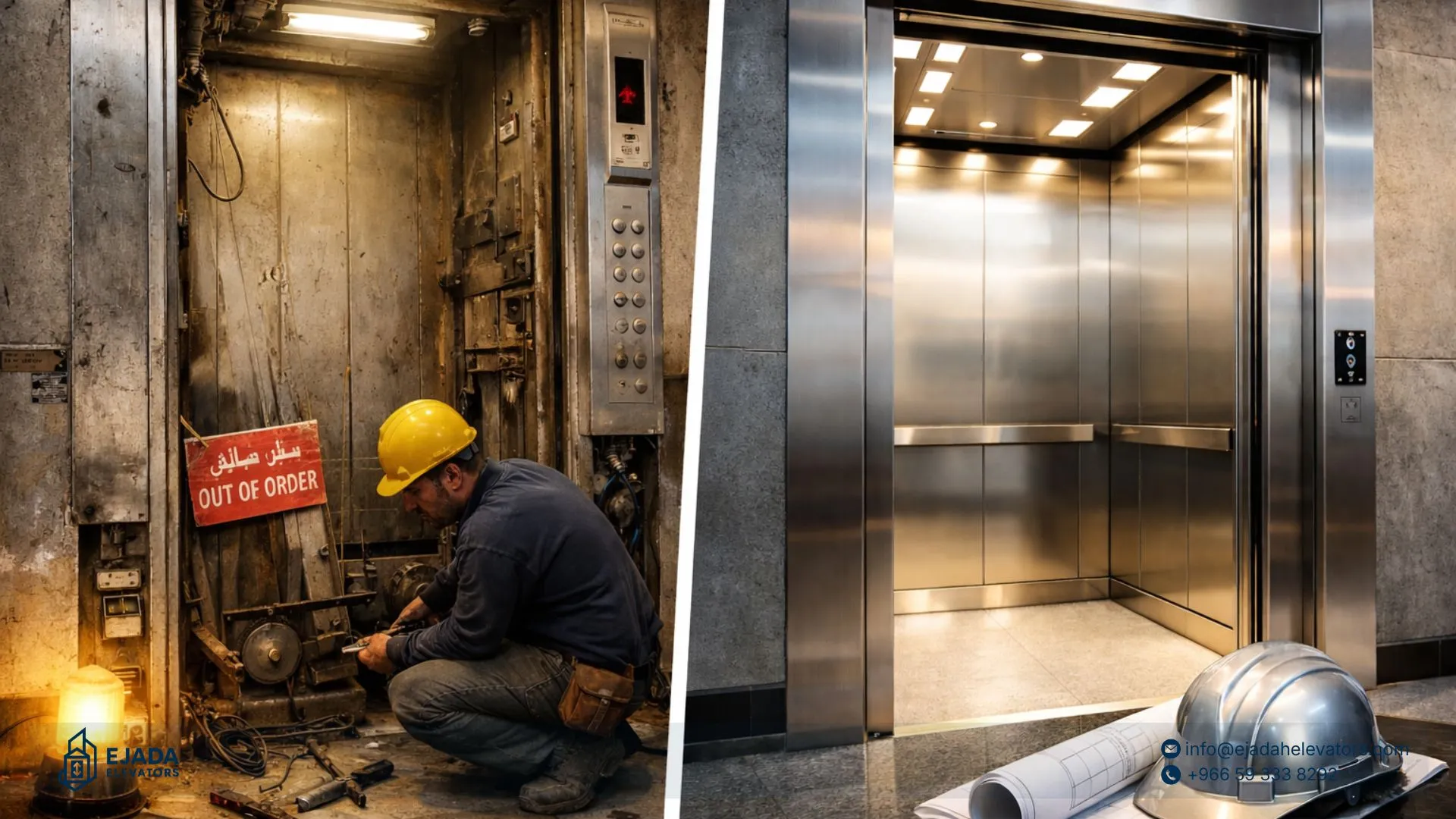
What Signs Show You Need to Replace the Elevator?
Elevator modernization can solve many issues, but if core systems are severely outdated and parts are consistently unavailable, replacement may reduce long-term risk. A technical assessment helps confirm whether your elevator’s structure supports modernization or whether a full new system is more cost-effective.
Modernizing an Old Elevator vs. Full Replacement: Which Is Better?
Choosing between elevator modernization and full replacement depends on the elevator’s condition and your building’s goals. Here is the practical difference between both options:
-
Elevator modernization: Usually lower upfront cost and focuses on upgrading key systems like motors and electrical/control components.
-
Full replacement: Delivers a complete performance reset with newer technology, often improving long-term maintenance outcomes.
-
Cost impact: Modernization is often less expensive than replacement, while replacement typically offers broader gains.
-
Service life: A fully replaced elevator generally lasts longer than an elevator that is only partially modernized.
What Is the Average Cost of Elevator Modernization?
The average cost of elevator modernization depends on factors that directly affect scope, materials, and installation time. The most important cost drivers include:
-
Current elevator condition
-
Scope of work (targeted upgrades vs. full modernization)
-
Elevator size, capacity, and number of served floors
-
Spare parts and technology specifications
-
Labor and installation requirements
-
Approvals, permits, and regulatory testing costs
Elevator maintenance costs can range from simple upgrades to full modernization programs, and comprehensive modernization is typically higher but delivers stronger results over time. Contact Ejada Elevators for a customized cost estimate based on your elevator’s actual condition and building requirements.
Book Your Free Elevator Modernization Consultation with Ejada Elevators
Elevator modernization should start with a clear, engineering-led decision, not another round of short-term fixes. If your elevator is aging, breaking down often, or creating safety concerns, our team can help you evaluate the best option for your site.
Ready to upgrade your building’s mobility systems? Contact Ejada Elevators today.