

Tips for Choosing Passenger Elevators for Homes, Businesses, and Towers
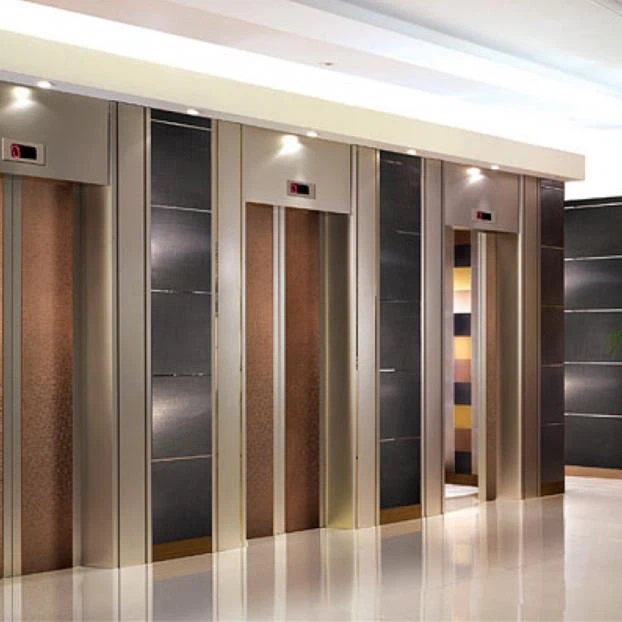
Passenger elevators should move smoothly, stay quiet, and protect users every day without surprise stops that disrupt a home elevator or business. One wrong choice can mean annoying noise, higher energy use, and frequent maintenance costs that escalate faster than expected.
Safety matters most, especially in villas and high-rises where heavy daily use exposes weak components and poor installation quality. In this guide, you’ll learn why passenger elevators matter and how to select the right system based on clear criteria that match your building space and user demand.
Why Passenger Elevators Matter
Passenger elevators are essential in homes, offices, and towers because they deliver safe, fast daily mobility between floors and improve the building experience. Their value shows up in practical outcomes that owners and facility managers notice immediately.
-
Make movement between floors easier and reduce reliance on stairs.
-
Increase safety and comfort for seniors and people with disabilities.
-
Organize traffic flow and reduce congestion during peak hours.
-
Improve property value and attractiveness for selling or leasing.
-
Support operational efficiency and reduce breakdowns when the right elevator system is selected.
Read also: The Best Home Elevator Company in Saudi Arabia (Purchase, Installation, & Maintenance)
How to Choose the Right Passenger Elevator for Your Needs
A passenger elevator decision should match elevator specifications to your building type, expected daily traffic, and operating intensity while maintaining high safety and efficiency. When you align these factors early, you avoid overspending on repairs and reduce downtime risk across the elevator lifecycle.
-
Building type (home/office/tower) and number of floors.
-
Capacity and expected number of passengers per day.
-
Appropriate elevator speed based on use and traffic density.
-
Shaft dimensions and machine room space, if applicable.
-
Drive system type (traction elevator system / hydraulic elevator / machine room-less (MRL) elevator).
-
Safety level and certified protection systems aligned with elevator safety standards and local requirements.
-
Energy efficiency and operating noise during travel and door cycles.
-
Cabin materials and interior finishes suited to daily use.
-
Spare parts availability and a clear maintenance plan with response time commitments.
-
Warranty scope, contract duration, and transparent service terms.
If you want a decision that holds up under real-world use, talk to our elevator experts and request a site assessment before finalizing specifications.
Read also: What Are the Best Types of Service Elevators in Riyadh?
Most Requested Passenger Elevator Types in Saudi Arabia
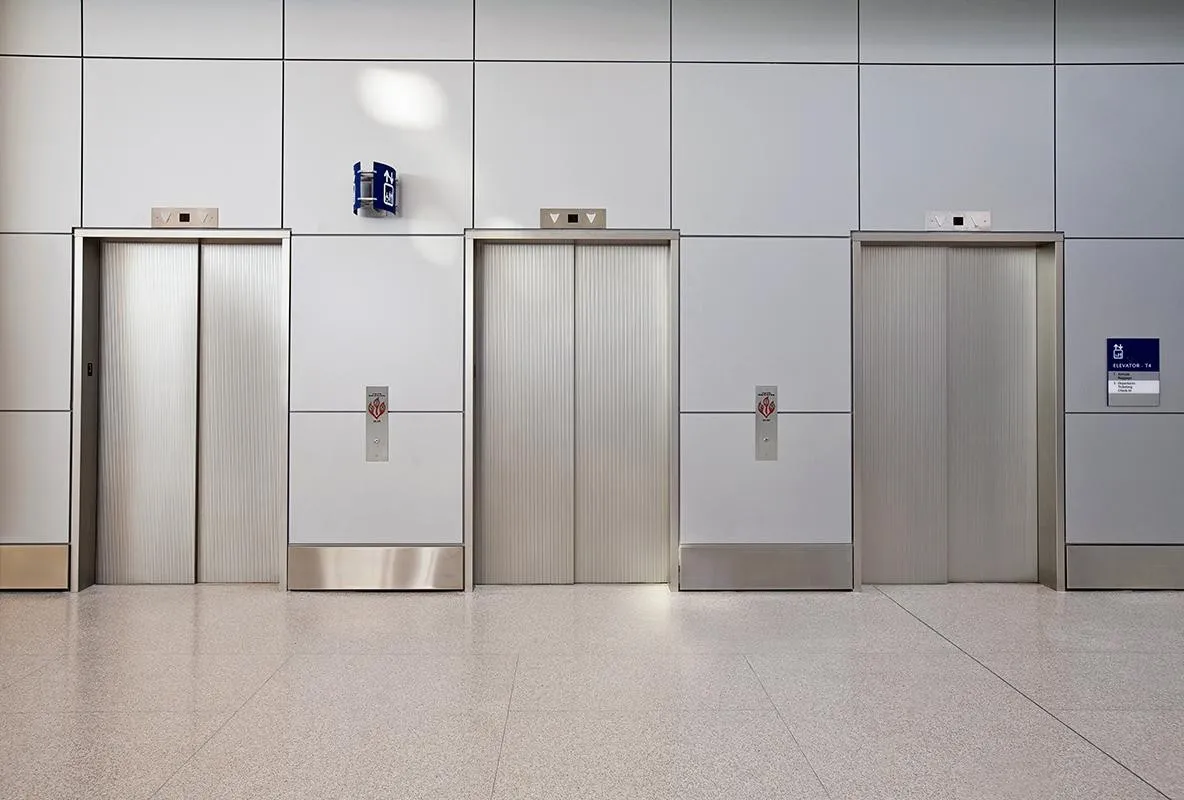
Passenger elevator solutions vary across Saudi Arabia, from villas to corporate buildings and healthcare facilities. Ejadah Elevators supports these needs with multiple options designed around usage patterns, space constraints, and reliability targets.
-
Passenger elevators: Serve residential and commercial buildings with smooth daily movement and safety suited to high-traffic operation.
-
Home elevators: Fit villas and multi-story houses with practical layouts for residential spaces and finishes that blend with interior design.
-
Elevators for people with disabilities: Improve accessibility for seniors and users with mobility needs with safer, more comfortable in-building travel.
-
Customized elevators: Built to project-specific requirements when space or use cases are non-standard.
-
Hospital elevators: Designed for healthcare environments to move beds and equipment with stability and reliability that support continuous operation.
Read also: What Are the Best Types of Accessibility Elevators for People with Special Needs in KSA?
Practical Tips for Home Elevators, Offices, and High-Rises
Passenger elevators perform best when capacity, speed, and safety systems are selected based on real demand rather than guesses. These tips reduce recurring faults, cut maintenance costs, and protect users across homes, companies, and towers.
-
Match elevator capacity and passenger count to expected traffic.
-
Select the right speed for the number of floors, especially for towers.
-
Verify safety systems, door protection, and compliance with elevator safety standards.
-
Confirm shaft dimensions, available space, and the most suitable drive system.
-
Evaluate operating noise and energy efficiency, especially for residential use.
-
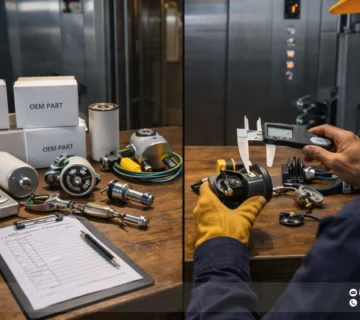
Confirm original elevator spare parts availability and emergency response capability.
-
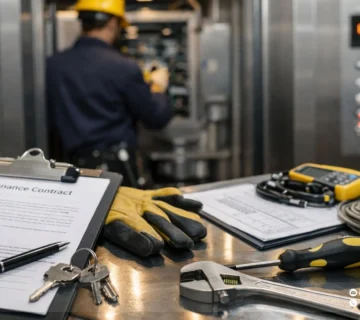
Require clear warranty terms and a written maintenance agreement before signing.
-
Choose cabin finishes that fit the building brand and withstand heavy daily use.
Passenger elevators selection should always balance engineering reality with long-term service support, not just upfront pricing.
Why Ejadah Elevators Is a Top Passenger Elevator Company in Saudi Arabia
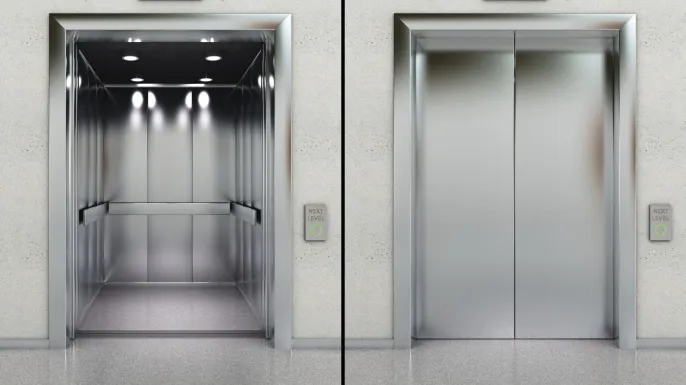
Passenger elevator Saudi Arabia projects succeed when installation quality and after-sales support stay consistent for years, not just at handover. Ejadah Elevators focuses on stable performance through disciplined execution, clear maintenance planning, and fast response when it matters.
-
Passenger elevator installation Saudi Arabia for homes, companies, and high-rises.
-
Scheduled maintenance programs, including elevator maintenance Riyadh coverage for operational continuity.
-
24/7 elevator emergency service to reduce downtime and user disruption.
-
Elevator modernization Saudi solutions to extend service life and improve performance.
-
Original elevator spare parts to protect reliability and safety.
-
Technical support and free consultations to guide engineering decisions.
-
Cabin interior design and finishing options aligned with building identity.
To start correctly from the first step, contact Ejadah Elevators and request a free consultation to choose the best passenger elevator for your building.
FAQs About Passenger Elevator Types for Buildings and Towers
1. What are passenger elevators?
Passenger elevators are designed to move people between floors safely and smoothly based on a defined capacity and passenger load rating. They prioritize user comfort, controlled acceleration, and consistent door operation.
2. How long do passenger elevators last?
Most passenger elevators last 15–25 years, and they can exceed that range with disciplined preventive maintenance, proper installation, and genuine spare parts. Usage intensity and environment also affect lifespan.
3. What’s the difference between passenger elevators and freight elevators?
Passenger elevators are engineered for people, comfort, and higher-finish cabins with safety features tuned for public use. Freight elevators are designed for heavier loads, stronger durability, and typically more industrial doors and finishes.
4. What’s the difference between a bed elevator and a passenger elevator?
A bed elevator, often used in hospitals, is larger to accommodate a bed, staff, and equipment. It also emphasizes stability, controlled leveling, and door configurations suited to medical workflows compared to a standard passenger elevator.
5. What are the requirements to install an elevator?
You need adequate space and a properly designed shaft, a site structural assessment, and a specification of capacity and speed based on use. You also need compliance with safety requirements, a clear installation contract, and testing/commissioning before handover.
6. How does a passenger elevator work?
A passenger elevator moves up and down inside the shaft using a drive system such as traction or hydraulic, controlled by an electrical panel. Brakes, sensors, and door interlocks prevent unsafe movement and keep operation controlled under daily use.
Passenger elevators are a long-term investment in safety, comfort, and property value, so choose a system built for your traffic profile and backed by real service capacity.
Ready to upgrade your building’s mobility systems? Contact Ejadah Elevators today.
No comment