
The Best Freight Elevator Installation Company in Saudi Arabia for 2026

Table of Contents
ToggleIs your facility suffering from slow goods transportation between floors, damage to shipments, or frequent stoppages that disrupt operations and increase costs?
Freight elevator Saudi Arabia solutions are built for heavy-duty transport with high durability and daily intensive use, but results only come when selection and installation match your real operation.
Many freight lift problems in Saudi Arabia start with avoidable mistakes like choosing a lower-than-needed capacity, a cabin or door that does not fit pallets and equipment, incomplete safety requirements, or non-professional installation that increases breakdowns over time.
In this guide, you will find clear steps to choose the right type (traction or hydraulic, with or without a machine room), set capacity and dimensions, understand price drivers in Riyadh and other cities, and reduce annual maintenance cost by selecting correctly. Read on to make a specification-led decision and request an accurate quote for cargo elevator installation from Ejadah Elevators based on your site and operating profile.
What Is a Freight Elevator?
A freight lift (also called a goods lift) is designed specifically to move heavy loads and goods between floors inside facilities. It is commonly used in environments that rely on continuous operation such as factories, warehouses, distribution centers, and malls where transport is daily and intensive.
Unlike passenger elevators, the structure, cabin, and floor are reinforced to handle weight, pressure, and vibration caused by repeated loading and unloading. Freight elevators also use doors and elevator safety systems suited to the work environment to reduce breakdown and incident risk during transport.
In short, if your goal is efficient, reliable goods movement, a warehouse goods lift is a more practical long-term solution than temporary handling methods.
When Should You Choose a Freight Elevator Instead of Hoists or Stairs?
When moving goods between floors becomes a daily part of operations, relying on temporary hoists or stairs increases risk and consumes time. A goods lift Riyadh project gives you a fixed system designed for heavy-duty transport, high durability, and intensive daily cycles.
Choose a freight elevator over hoists or stairs if you have:
-
Heavy loads that repeat every day.
-
High-volume movement throughout the day.
-
A need to raise safety and reduce operational risk.
-
A goal to speed up workflows and reduce handling time.
-
Stable operating requirements that do not fit temporary solutions.
-
A requirement to protect goods from damage during transport.

Where Are Freight Elevators Used in Saudi Arabia? Sectors and Projects
Freight elevator Saudi Arabia demand is strongest in projects that require daily movement of materials and equipment between floors. The goal is usually to improve operational efficiency and cut handling time with a practical solution built for on-site conditions.
Common sectors include:
-
Factories and production lines.
-
Warehouses, storage facilities, and distribution centers.
-
Malls and large retail stores.
-
Hotels and restaurants when moving supplies or equipment is needed.
-
Hospitals in specific cases for materials and equipment handling.
Types of Freight Elevators and How to Choose the Right One
Choosing the right industrial freight elevator is less about brand names and more about how your facility operates. Load type, number of trips per day, number of floors, and available shaft space should drive the decision.
Below are the main types and how to decide what fits your Saudi project, followed by how to lock capacity and dimensions before you buy.
Traction Freight Elevators
Traction freight elevators suit facilities that need steady performance across multiple floors with high operating frequency. They use a motor with ropes and sheaves and are common in projects that need stable speed and predictable performance.
They work well where intensive use and reduced downtime matter, as long as specifications match the real load profile and preventive maintenance is planned from day one.
Hydraulic Freight Elevators
Hydraulic freight elevators are often selected when the site conditions and lifting requirements fit this system. They are known for smooth travel and the ability to handle heavy loads when specified correctly.
In Saudi projects, hydraulic systems can be the practical choice depending on travel height, number of stops, and site readiness. The best option is the one that matches your building constraints, not the one that sounds universally better.
With Machine Room vs Machine-Room-Less
A machine room can provide different installation options and may simplify certain service access needs depending on the building design. Machine-room-less configurations are often used when space is limited or when the project aims to reduce dedicated service-room requirements.
The choice is usually decided by:
-
Roof or site space availability.
-
Shaft design and clearances.
-
Maintenance access requirements.
-
Whether your priority is engineering flexibility or easier technical access.
How to Set the Right Load Capacity for Your Operation
Freight elevator Saudi Arabia selection should never be based on a rough guess. Capacity must reflect the heaviest real load you will move, the handling method (pallets, trolleys, equipment), and the number of cycles per day.
To reduce long-term breakdowns, calculate based on worst-case realistic conditions, not the average. A freight elevator is built for repeated operation, but only when the capacity and duty cycle match how you actually work.
Use these quick decision points:
-
Your maximum expected load plus a realistic operational safety margin.
-
Whether loads are consistent or frequently changing.
-
Whether goods move on carts or manual pallet jacks inside the cabin.
Two Make-or-Break Specs Before You Buy: Cabin Size and Door Opening
Cabin size must fit the goods with safe room for loading and unloading, not just barely allow entry. Door opening size affects handling speed and reduces collisions and damage, especially with pallets and carts in factories and warehouses.
Before approving dimensions, review:
-
The largest item, equipment piece, or typical stacked pallet size.
-
Entry and exit direction on site and how carts will maneuver.
-
Whether use is moderate or intensive, since doors and cabins face higher daily stress.
How to Set the Right Load Capacity for Your Operation
Capacity, cabin, and door sizing should be treated as one integrated specification. A mismatch in any of them can raise failure rates and increase freight elevator maintenance cost over time.
Safety and Quality Specs You Should Require in a Freight Elevator
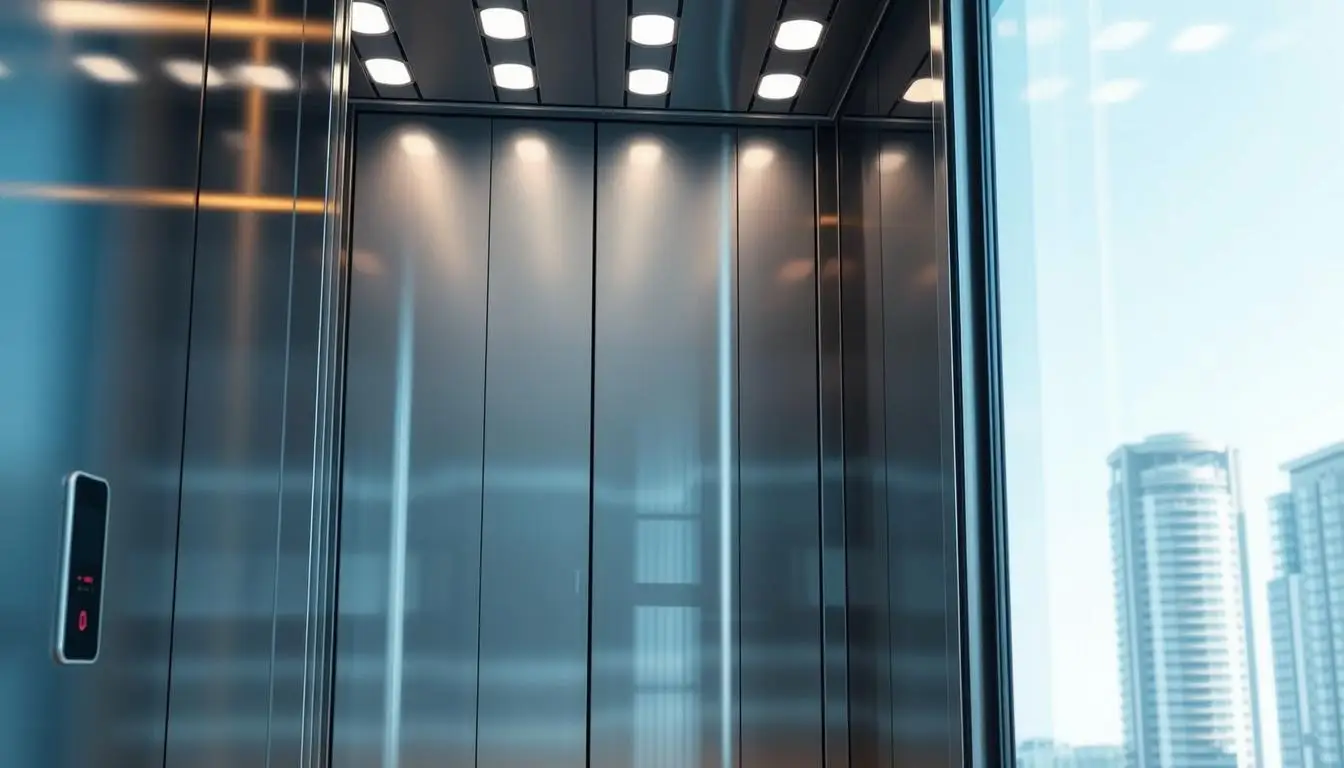
Start with one non-negotiable point: safety and quality are not optional in a goods lift. They are the first things tested when moving heavy loads under daily intensive operation.
Treat the following as one package you require before purchase and installation:
-
Confirm core elevator safety systems: emergency stop, sensors, and door interlocks.
-
Specify an industrial-grade cabin floor with high load tolerance and impact resistance.
-
Verify door quality and opening/closing performance suited for repeated operation.
-
Require professional installation with full testing and documented commissioning to reduce long-term failures.
Also Read: How to Choose the Best Restaurant Elevator Installation Company in Saudi Arabia?
What Determines Freight Elevator Prices in Saudi Arabia? Riyadh and Other Cities
Freight elevator prices Riyadh can differ from other cities because each project has unique operational requirements and site readiness. The final cost reflects the elevator specifications and everything required to install and run it safely.
To estimate cost realistically, connect pricing to these combined factors, not as isolated items:
-
Capacity (1 ton, 2 tons, or more).
-
Travel height and number of floors.
-
System type (traction or hydraulic freight elevator).
-
Cabin and door dimensions.
-
Civil works (shaft preparation, site provisions, machine room if needed).
-
Usage level (moderate or intensive) and the maintenance plan.
If you want a quote you can trust, talk to our elevator experts and request a site assessment that confirms dimensions, duty cycle, and site conditions before final pricing.
How to Reduce Annual Freight Elevator Maintenance Cost With the Right Selection
Annual freight elevator maintenance cost drops when the original selection matches real operating demands. An elevator designed for the correct load and duty cycle breaks down less and consumes fewer parts over time.
To reduce yearly spend without compromising safety, focus on:
-
Selecting the right capacity with a realistic operating margin.
-
Matching cabin size and door opening to pallets and carts.
-
Choosing the best-fit system (traction vs hydraulic) based on travel height and floors.
-
Requiring clear safety and quality specs for doors, sensors, and interlocks.
-
Approving professional installation with documented testing and handover.
-
Following a preventive maintenance schedule and using genuine spare parts for intensive use.
Steps to Buy and Install a Freight Elevator in Riyadh and Across Saudi Arabia
A successful goods lift Riyadh project starts when requirements become clear, practical steps from site review to handover. This helps you avoid surprises in execution and commissioning and ensures the elevator fits the real load profile and daily cycles.
Core steps from start to delivery:
-
Site study to define needs and capacity.
-
Select the right cabin and door design.
-
Supply and delivery within Saudi Arabia.
-
Installation, testing, and commissioning.
-
Handover plus quick training on safe operation.
Read also: What is the Best Elevator Company in Riyadh for 2026?
Why Ejadah Is a Strong Partner for Freight Elevator Installation in Saudi Arabia
If you want a freight elevator that holds up under daily operation, do not choose based on price alone. Choose a partner that can deliver clear specifications, professional execution, and ongoing support after commissioning.
Ejadah Elevators provides practical solutions for Saudi projects from Riyadh to other cities, with readiness for supply, installation, and commissioning based on your site and operating needs.
Key advantages for cargo elevator installation Saudi Arabia projects include:
-
Technical experience with intensive-use freight elevators.
-
Supply and installation with clear safety and quality specifications.
-
Maintenance, repairs, and modernization for goods lifts.
-
Genuine spare parts availability and ongoing support options.
-
Riyadh coverage and services across Saudi Arabia for supply, installation, and delivery based on the project.
Get a customized elevator solution by sharing your load profile, pallet dimensions, and daily cycle targets, and we will recommend the best-fit system and specifications.
Need a Freight Elevator in Saudi Arabia? Get a Price Quote From Ejadah!
Freight elevator Saudi Arabia projects succeed when you start with one correct step: a quote built on real needs, not assumptions. At Ejadah Elevators, we help you set the right capacity, choose traction or hydraulic systems, and confirm cabin and door dimensions that match daily operation.
You receive clear recommendations and defined elevator safety systems and quality specs before execution, so the elevator can handle intensive use while reducing long-term failures. Whether your project is in Riyadh or any other Saudi city, we provide supply, installation, and support tailored to your site requirements.
Ready to upgrade your building’s mobility systems? Contact Ejadah Elevators today.
No comment